
My research looks at how the brain changes in mental health conditions and after brain injury, and at new, drug-free ways to help it recover.
For those interested in the details: I use neuroimaging and electrophysiology (EEG, MEG, fMRI) to study brain function in psychiatric disorders and traumatic brain injury (TBI). I also test neuromodulation interventions, including transcranial direct current stimulation (tDCS) and transcranial magnetic stimulation (TMS) paired with cognitive training, as well as reduced-sensory environments such as Orfield Labs‘ anechoic chamber. Current projects focus on suicide prevention by improving executive function and reducing impulsivity, the long-term effects of TBI including disorders of consciousness, sensory processing in PTSD, and slowing cognitive decline in aging and dementia. Earlier work examined schizophrenia, problem gambling, substance use, and externalizing disorders.
Research Areas
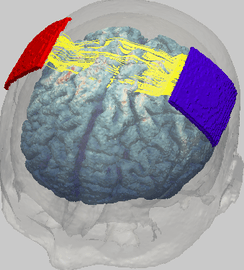
Combining tDCS and Cognitive Training to Improve Mental Health
Pairing transcranial direct current stimulation (tDCS) with targeted cognitive training to strengthen the brain networks behind self-control, attention and decision-making. This approach has reduced risk-taking in clinically impulsive patients and alcohol relapse rates, and is now being tested in opioid use disorder, bipolar disorder, Parkinson’s disease, and at-home treatment for service members and veterans with mild TBI.
Related: Funding · Publications

Novel Treatments for PTSD
In collaboration with Orfield Labs, and using their anechoic chamber — one of the quietest places on Earth — the RESET study (Reduced External Sensory Environment Therapy) tests whether time in a reduced-sensory environment can ease sensory processing dysfunction and PTSD symptoms in veterans. Early findings were featured in the Star Tribune in 2026.
Related: Media Appearances · Presentations
Suicide Prevention
Understanding and developing treatments for suicidal behavior in veterans. The ENACTS study tested tDCS paired with cognitive training to reduce impulsivity and improve mood in psychiatric inpatients at high risk of suicide. IMPACTS is a VA study of what affects suicide risk in Veterans.
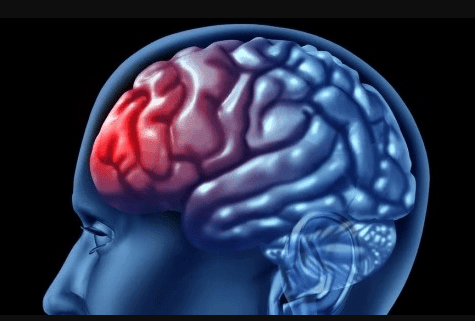
Longitudinal Studies of Traumatic Brain Injury
Following veterans with mild TBI over time to track long-term changes in brain structure and function, including progressive thinning of the retina measured with optical coherence tomography and changes in the organization of brain networks. The ReSTART study extends this work to older adults, testing remote brain stimulation and training to support recovery from TBI.
Related: Publications · Funding

Brain Activity in Disorders of Consciousness
Using EEG to measure brain dynamics in patients with disorders of consciousness after severe brain injury. The goal is to improve how these patients are assessed and to identify brain signatures of emergence that could become targets for neuromodulation to support recovery.
Related: Presentations · Funding

